
Every spring, St. Louis homeowners fight the same battle and most of them don’t even know it’s already started. By the time you see crabgrass taking over your lawn in July, the real window to stop it has long passed. The good news? Late March is exactly when you should be taking action. Here’s what you need to know.
What Is Crabgrass, and Why Is It So Aggressive?
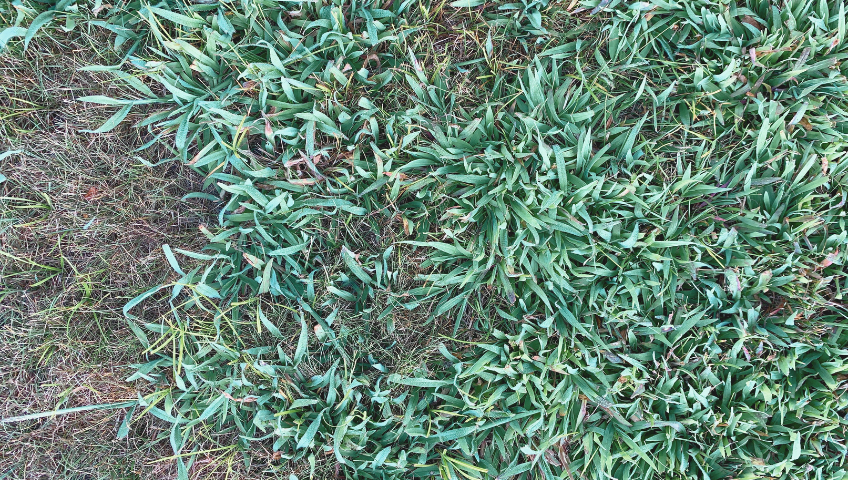
Crabgrass is a warm-season annual weed that thrives in exactly the conditions that stress out your desirable turf: heat, drought, compacted soil, and thin grass. It earned its name from the way it sprawls outward in a low, crab-like pattern. And much like a crab, once it gets its claws in, it doesn’t let go.
What makes it especially frustrating is its seed production. A single crabgrass plant can produce up to 150,000 seeds in one season. Those seeds can remain viable in the soil for years. Once it establishes, it doesn’t just compete with your lawn. It takes over.
Why Pulling It Makes Things Worse
It seems logical to pull crabgrass when you see it. But think of it like a bad houseguest who’s already invited their friends before you’ve even asked them to leave. Pulling mature crabgrass plants can actually scatter seeds into the bare soil left behind, setting up next year’s infestation before this year’s is even over. Removal without a plan tends to make the problem worse over time, not better.
That’s why the most effective strategy isn’t reactive, but it’s lawn care that’s preventive.
The Pre-Emergent Window: Why Late March Is Critical
Pre-emergent herbicides work by creating a chemical barrier in the soil that prevents crabgrass seeds from germinating. They don’t kill existing plants. They stop new ones from ever taking root. And timing is everything.
Crabgrass seeds begin to germinate when soil temperatures consistently reach 50–55°F at a 2-inch depth. In the St. Louis area, that window typically opens in late March to early April. Once soil temps climb past that threshold, pre-emergent applications lose their effectiveness quickly.
Here’s why that matters right now:
- Apply too early and the product breaks down before germination begins
- Apply too late and the seeds have already sprouted—the barrier does nothing
- Apply at the right time and you stop the problem before it starts
A common rule of thumb: apply pre-emergent when forsythia bushes are in full bloom. In St. Louis, that’s typically right around now.
What About the Rest of the Year?
Pre-emergent application is the biggest lever, but it’s not the only one. What happens to your lawn in fall and winter directly impacts how bad your crabgrass problem is the following summer. A thick, healthy, well-fertilized lawn going into dormancy leaves less bare soil for crabgrass seeds to colonize in the spring. Overseeding thin areas in fall, aerating compacted soil, and maintaining proper mowing height all add up over time. At Horstmann Brothers Landscape Services, we will work with you to establish a proper seasonal maintenance plan.
Crabgrass exploits weakness. The best long-term defense is a lawn that doesn’t give it room to grow.
Can’t Pull It Up Yourself? Let the Pros Handle It.
Pre-emergent timing, product selection, and application rates aren’t one-size-fits-all—they depend on your specific turf type, soil conditions, and what else is going on in your lawn. Getting it wrong means another summer of crabgrass. Getting it right means a lawn you’re actually proud of.
The team at Horstmann Brothers has been helping St. Louis homeowners take back their lawns for years. Whether you’re starting fresh this spring or looking to build a long-term lawn care plan, we’re here to help. Contact us TODAY to get ahead of crabgrass season—before the window closes!