
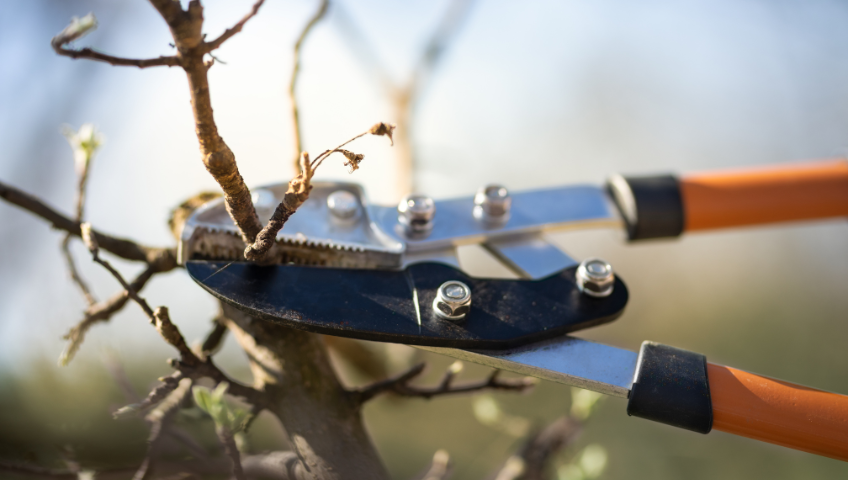
When most people think about pruning, they picture themselves working in their yard during spring’s pleasant weather. However, for many trees and shrubs, winter dormancy offers the ideal pruning window, and we’re right in the middle of it. Understanding when and how to prune during the dormant season can make the difference between plants that merely survive and those that truly thrive come spring. This brings out the troopers who aren’t afraid to get down and dirty in the cold weather!
At Horstmann Brothers, we know that proper pruning is both science and art. Let’s explore why winter pruning is so beneficial and which plants in your landscape should be on your list for attention right now.
Why Winter Is Prime Pruning Season
Deciduous trees (trees that shed their leaves), and shrubs enter dormancy during winter, essentially going to sleep until warmer temperatures trigger new growth. This dormant period creates several advantages for pruning that you simply don’t get during the growing season.
Without leaves in the way, you can see the plant’s skeleton clearly. Problem branches become obvious like crossing limbs, dead wood, and awkward growth patterns are easy to identify. This visibility helps you make smart pruning decisions and shape plants properly instead of guessing beneath layers of foliage.
Dormant plants also experience less stress from pruning. When actively growing, plants direct energy toward leaves, flowers, and fruit. When you prune during the growing season, plants must split their energy between closing cuts and maintaining foliage, which is a draining process that weakens them. During dormancy, plants can focus entirely on wound closure without the competing demands of active growth.
Additionally, winter pruning reduces disease transmission. Many fungal diseases and bacterial infections spread more readily during warm, moist conditions. The cold, dry winter air minimizes these risks significantly, and disease-carrying insects remain inactive during winter months.
What to Prune During Winter Dormancy
Most deciduous trees benefit from winter pruning, including maples, oaks, ashes, and honeylocusts common to Missouri landscapes. Winter is ideal for removing damaged branches, eliminating limbs that interfere with each other, and thinning crowded growth to improve airflow and light.
Summer-flowering shrubs also belong on your winter pruning list. Add summer-flowering shrubs to your winter pruning schedule. Because they produce flowers on the current season’s new growth, winter cuts won’t sacrifice any blooms. Shrubs like crape myrtles, rose of Sharon, panicle hydrangeas, and butterfly bushes can be shaped now, encouraging vigorous new growth that will carry this year’s blooms.
Fruit trees respond especially well to dormant pruning. Late winter is ideal, especially for apples, pears, and peaches, when you can see buds just starting to plump up. At this stage, you can shape the canopy, remove branches that drain resources without producing fruit, and strengthen the framework for an abundant crop.
What NOT to Prune Right Now
The critical exception to winter pruning involves spring-flowering shrubs and trees. Plants like lilacs, forsythias, azaleas, rhododendrons, and flowering dogwoods set their flower buds during the previous growing season. These buds sit dormant through winter, ready to open when warm weather arrives. Pruning now removes those buds, sacrificing this spring’s floral display. For spring bloomers, the pruning window opens immediately after flowering concludes.
Birch trees and maples warrant special mention. While they can be pruned during deep dormancy in December and January, avoid pruning them in late winter and early spring. As temperatures warm, these species experience heavy sap flow that causes “bleeding” from fresh cuts. While not harmful to the tree’s health, the dripping sap creates a sticky situation. Garden care is one of Horstmann Brother’s areas of expertise, so we’d be happy to provide you with more information about what you should not prune right now.
Proper Pruning Technique Matters!
How you prune is just as important as when you prune. Clean, sharp tools make smooth cuts that heal quickly, while dull blades tear and crush plant tissue, creating entry points for disease. For branches smaller than three-quarters of an inch in diameter, quality hand pruners suffice. Loppers handle branches up to two inches, while larger branches need a pruning saw.
Look for the raised ridge where the branch connects to the trunk or main limb. That’s the branch collar, and you want to cut just beyond it and leave it intact. This area contains cells that help the tree heal fast. Don’t cut flush with the trunk (too close) or leave a long stub (too far), because either mistake prevents the wound from closing properly.
For branches too large to remove in a single cut, use the three-cut method to prevent bark tearing:
- Cut one: saw upward from below, about a foot from your final cut point, going partway through.
- Cut two: saw downward from the top, slightly further out and the branch will break away cleanly under its own weight.
- Cut three: remove the remaining stub with a proper cut just outside the branch collar.
Make your cuts above buds or branches that point outward, away from the plant’s center. This encourages new growth to spread outward rather than inward, which improves airflow and creates a more open, attractive shape.
The Long-Term Benefits of Proper Winter Pruning
Winter pruning delivers lasting returns on your investment. Well-pruned plants grow stronger and healthier, directing resources toward productive branches rather than wasteful excess. They develop sturdier structures that resist storm damage, benefit from improved air circulation that fights disease, and receive better light distribution for vigorous growth. The dormant season creates ideal pruning conditions since you can see the plant’s true structure without foliage blocking your view, and plants heal efficiently without the stress of simultaneously supporting new growth. Combine your pruning strategy with this complete Spring prep guide, and you will be pleased with the results this season!
Ready to give your landscape the winter pruning it needs? Contact Horstmann Brothers today to schedule an assessment. Our experienced team can evaluate your trees and shrubs, recommend appropriate pruning strategies, and ensure your landscape receives expert care during this critical dormant season.