
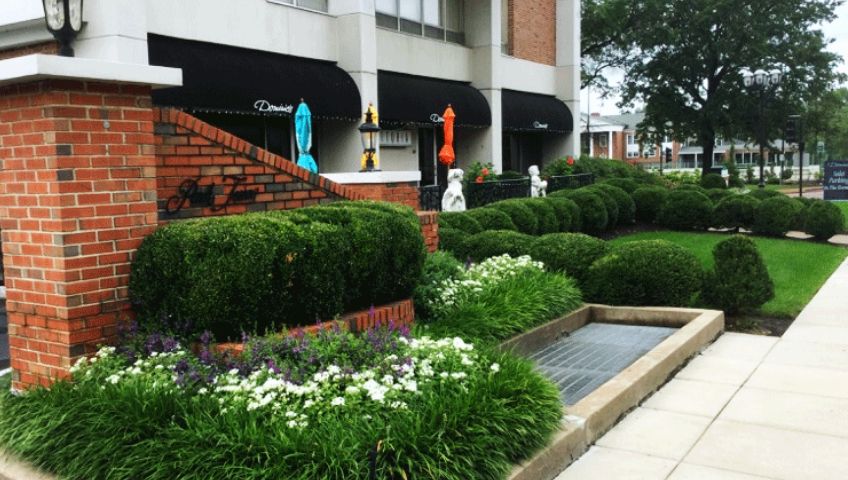
Your commercial property’s exterior is often the first impression customers have of your business. Your landscape attracts visitors, reinforces your brand, and contributes to your property’s value. But right now, it’s coming out of winter dormancy and faces a critical transition period. Customers are returning with expectations of a well-maintained, professional appearance.
February and early March offer an advantage for proactive property managers. You have the opportunity to assess damage from the winter, make repairs, and prepare for the growing season to ensure that your curb appeal is dressed to impress.
Assessing Winter’s Impact
Start your spring preparation with a thorough walk-through of your commercial property. Here’s what to look for:
Salt and Chemical Damage
- Brown, scorched turf along walkways and parking lots
- Struggling plants near areas where de-icing materials were applied
- Discolored or dying evergreens exposed to salt spray
Structural Plant Damage
- Broken or split branches from heavy snow and ice
- Torn bark or damaged trunks
- Leaning or uprooted shrubs in high-wind areas
*Walk your parking areas and high-traffic zones, noting where soil has become severely compacted from snow plowing operations and constant foot traffic during winter months.
Soil and Drainage Issues
Check all drainage systems, gutters, and downspouts for debris accumulation that could cause flooding during spring rains. Standing water not only damages your landscape but creates liability concerns and drives customers away.
Essential Cleanup and Repair
Once you’ve identified problem areas, prioritize tasks that have the greatest impact on appearance and function.
Immediate Priorities:
- Remove dead plant material, fallen branches, and accumulated debris
- Clear drainage areas and downspouts before spring rains arrive
- Address damaged lawn areas by removing dead grass and loosening compacted soil
- Refresh mulch in high-visibility beds near entrances and walkways
- Prune damaged branches with clean cuts that promote healthy regrowth
These cleanup tasks do more than improve aesthetics. They minimize disease risks, and stop small issues from escalating into costly repairs.
Strategic Curb Appeal Focus
For commercial properties, not all landscape areas hold the same importance. Focus your efforts where they’ll have the greatest impact:
Critical First-Impression Zones:
- Entry areas and main walkways – Your primary customer touchpoints
- Parking lot perimeters and islands – Visible to every visitor
- Signage areas – Trim overgrown shrubs that obscure your business name
- Window-facing beds – Major contributors to professional appearance
Overall, ensure plantings are healthy, mulch is fresh, and all hardscape surfaces are clean and well-maintained.
Preparing for Growth Season
Beyond basic maintenance, a smooth spring transition requires more than the bare minimum:
Soil and Turf Care:
- Schedule aeration for compacted areas
- Plan fertilization timing for thick, healthy growth
- Test soil pH and address nutrient deficiencies
Infrastructure Readiness:
- Arrange for professional irrigation inspection and activation
- Fix winter-damaged irrigation components before the growing season
- Plan seasonal color displays for high-visibility areas
The Advantage of Early Planning
Property managers and business owners who schedule commercial landscape services in February and early March enjoy significant advantages over those who wait. Your property will be ready for spring traffic, and proactive maintenance always costs less than emergency repairs. A pristine, well-maintained landscape doesn’t just look good. It signals professionalism, builds trust, and gives customers confidence in your business before they ever walk through the door.
Residential Properties Need Spring Prep Too
The same principles that keep commercial properties looking professional apply to your home landscape. Winter takes a toll on residential lawns, plantings, and hardscapes just as much as it does on commercial sites. The scale is just different.
Homeowners should walk their property looking for the same warning signs: salt damage along driveways and sidewalks, broken branches, compacted soil in high-traffic areas, and clogged drainage. Refreshing mulch in front beds, pruning damaged shrubs, and clearing debris before the growing season kicks in will make a noticeable difference in your home’s curb appeal.
And just like with commercial properties, early action saves money! Addressing winter damage now prevents small problems from becoming expensive repairs once spring is in full swing. Whether you’re preparing your home for the season or keeping up with the neighbors, a proactive approach to spring lawn care sets you up for a beautiful yard all year long.
Take Action Now!
Beat the rush and contact Horstmann Brothers today to schedule your free property assessment. Whether you manage a commercial property or want your home landscape looking its best, our customized maintenance plans address your property’s unique needs. We’ll ensure your landscape makes the right impression from winter through spring and beyond.
Read more about why St. Louis businesses trust the Horstmann Brothers with their commercial landscape services.