
Missouri’s warm, humid summers create ideal conditions for flourishing vegetable gardens, but unfortunately, they also provide perfect breeding grounds for some of the most destructive garden pests in the Midwest. As any gardener in St. Louis can attest, dealing with insects like squash bugs and zebra caterpillars is an annual challenge that requires knowledge, vigilance, and strategic action.
The Squash Bug: Enemy Number One of Cucurbits
Scientific name: Anasa tristis
Nickname: Stink Bug
The squash bug is perhaps the biggest enemy of gardeners who grow cucumbers, squash, zucchini, pumpkins, and melons. These bronze-colored, shield-shaped insects measure about 5/8 inch long and can devastate entire crops if left unchecked.
Identification and Life Cycle
Adult squash bugs overwinter in garden debris, emerging in late spring when soil temperatures warm. They’re most active during the day and emit a foul odor when crushed, which earns them the nickname “stink bugs”. The females lay clusters of bronze or copper-colored eggs on the undersides of leaves, typically along leaf veins.
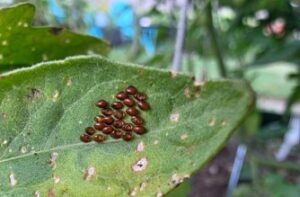
The eggs hatch into nymphs that progress through five developmental stages. Young nymphs are grayish-green with darker legs and antennae, while older nymphs develop wing pads and become more bronze-colored like the adults.
Damage Patterns
Squash bugs damage plants by piercing stems and leaves with their needle-like mouthparts and sucking out plant juices. This feeding causes yellowing, wilting, and eventual death of affected plant parts. The insects inject toxic saliva that can cause leaves to turn black and crispy. A condition sometimes called “anasa wilt.”
Early in the season, squash bugs tend to congregate around the base of plants, making detection easier. As populations grow, they spread throughout the entire plant and can quickly overwhelm young seedlings.
Management Strategies
Cultural Controls:
- Remove and destroy crop residue immediately after harvest to eliminate overwintering sites
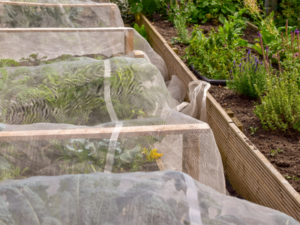
- Use row covers early in the season to prevent initial infestation
- Plant resistant varieties when/if available
- Encourage beneficial insects by maintaining diverse plantings
Mechanical Controls:
- Hand-pick adults and nymphs in early morning when they’re sluggish
- Check undersides of leaves weekly for egg masses and scrape them off
- Use boards or shingles as traps placed around plants overnight
Organic Treatments:
- Neem oil applied to egg masses and young nymphs
- Insecticidal soap for soft-bodied nymphs
- Diatomaceous earth around plant bases
Zebra Caterpillars: The Striped Menace
Scientific name: Melanchra picta
The zebra caterpillar is a striking pest that feeds on a wide variety of garden crops throughout Missouri. True to its name, this caterpillar displays distinctive yellow and black stripes running lengthwise along its body, making it one of the easier garden pests to identify.
Recognition and Behavior
Mature zebra caterpillars reach about 2 inches in length and have a velvety black body with bright yellow stripes and a reddish head. They’re the larval stage of a nondescript brown moth that’s active at night.
These caterpillars are aggressive feeders that prefer young growth but will consume leaves, stems, and even fruits when populations are high. They’re most active during cooler parts of the day and tend to hide in soil or plant debris during hot afternoons.
Host Plants and Damage
Zebra caterpillars have an extensive host range, attacking vegetables like:
- Beans and peas
- Cabbage family crops (broccoli, cauliflower, kale)
- Lettuce and spinach
- Beets and chard
- Potatoes and tomatoes
The caterpillars chew irregular holes in leaves and can quickly defoliate young plants. Unlike some invaders that prefer older foliage, zebra caterpillars often target the growing tips and newest leaves, which can severely stunt plant development.
Control Methods
Biological Control:
- Encourage natural predators like birds, ground beetles, and spiders
- Beneficial wasps and flies parasitize zebra caterpillar eggs and larvae
- Bacillus thuringiensis (Bt) is highly effective against young caterpillars
Physical Removal:
- Hand-picking is effective for small infestations
- Look for caterpillars in early morning or evening when they’re most active
- Check undersides of leaves and around plant bases
Preventive Measures:
- Till garden soil in fall to disrupt pupation sites
- Remove weeds and garden debris where moths might lay eggs
- Use floating row covers during peak moth flight periods
Chemical Options:
- Spinosad-based products are effective and relatively bee-friendly
- Pyrethrin sprays for quick knockdown of active caterpillars
- Always spray in evening to minimize impact on pollinators
Tomato Hornworm: The Garden’s Stealthy Devourer
Scientific name: Manduca quinquemaculata
Nickname: Five-Spotted Hawk Moth Caterpillar
Despite reaching up to four inches long, tomato hornworms are surprisingly hard to detect. Their bright green coloring blends almost perfectly into tomato foliage, and by the time most gardeners spot them, the damage is already done.
Identification and Life Cycle
Tomato hornworms are plump, vivid green caterpillars with white V-shaped markings and a curved black horn on their tail. The closely related tobacco hornworm looks nearly identical but sports diagonal stripes and a reddish horn — both are equally destructive and commonly found in Missouri gardens.
Adults survive winter underground as pupae, emerging as large gray-brown moths in spring to lay eggs on host plant leaves. There are typically two generations per summer, with populations peaking in mid to late summer.
Damage Patterns
Hornworms work from the top of the plant down, stripping leaves, stems, and fruit as they go. A telltale early sign is the large dark green droppings they leave behind on leaves and the ground below. They target plants in the nightshade family, including:
- Tomatoes
- Peppers
- Eggplant
- Potatoes
- Tomatillos
During dry weather, hornworms may also chew holes directly into green tomato fruit, compounding the damage significantly.
Management Strategies
Cultural Controls:
- Till soil to a six-inch depth in the fall to destroy overwintering pupae
- Rotate nightshade crops to different areas of the garden each year
- Plant dill or basil nearby to attract beneficial predatory wasps that parasitize hornworm larvae
Mechanical Controls:
- Hand-pick caterpillars at dusk when they’re most active. A blacklight flashlight makes them easier to spot
- Drop hornworms into a bucket of soapy water to eliminate them
- Look for large dark droppings on leaves as your first clue that hornworms are present
A Note on Parasitized Hornworms:
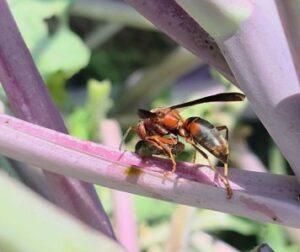
If you spot a hornworm covered in small white rice-like projections, leave it alone. Those are the cocoons of parasitic wasps, which are natural enemies of the hornworm. Leaving the caterpillar in place allows the next generation of beneficial wasps to emerge and continue controlling the pest population on your behalf.
Organic Treatments:
- Bacillus thuringiensis (Bt) is highly effective on young caterpillars — apply as soon as they hatch
- Spinosad-based sprays target caterpillars while remaining relatively safe for beneficial insects
Insecticidal soap can control smaller hornworms when sprayed directly on contact
Aphids: Small Pests, BIG Problems
Scientific name: Various species (Aphididae family)
Common types: Green Peach Aphid, Cabbage Aphid, Melon Aphid
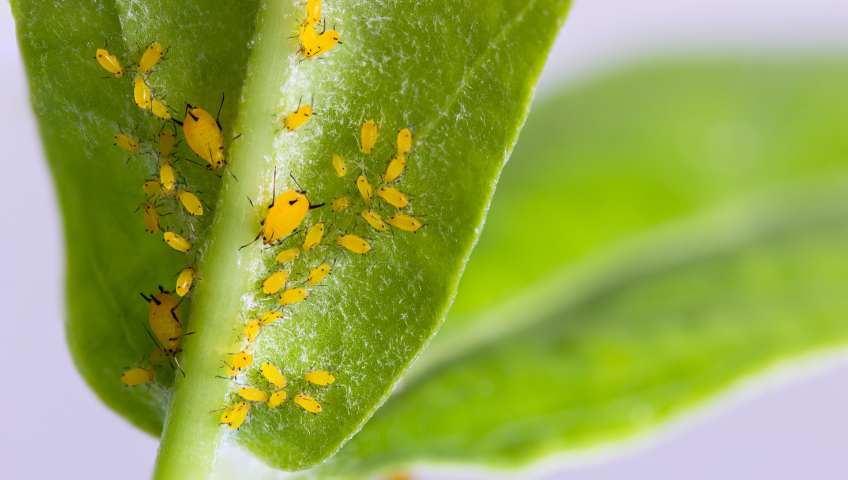
Don’t let their tiny size fool you. Aphids are among the most common and damaging garden pests in Missouri, capable of reproducing at a remarkable rate and infesting plants in large numbers before most gardeners even notice they’re present. A single aphid can produce dozens of offspring in a matter of days, and because they can reproduce without mating, populations can explode quickly.
Identification and Behavior
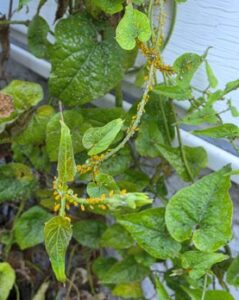
Aphids are soft-bodied, pear-shaped insects that measure about 1/8 inch long. Depending on the species, they may be green, yellow, black, brown, or even pink. They tend to cluster in dense groups on the undersides of leaves and along new plant growth, making them easier to find if you know where to look.
One of the telltale signs of aphid activity is the presence of ants. Ants are attracted to the sticky, sugary substance — called honeydew — that aphids excrete as they feed. If you notice ants moving up and down your plant stems, it’s worth checking the leaves for aphids.
Host Plants and Damage
Aphids feed on a wide range of vegetable crops by piercing plant tissue and sucking out sap. Their feeding causes distorted, curled, or yellowing leaves — particularly on new growth. Heavily infested plants may become stunted and struggle to produce fruit. Aphids are known to target:
- Tomatoes and peppers
- Beans and peas
- Lettuce, kale, and cabbage
- Cucumbers and squash
- Potatoes
Beyond direct feeding damage, aphids can also transmit plant viruses from one plant to another, making a small infestation a much larger problem than it might initially appear.
Management Strategies
Cultural Controls:
- Plant flowering herbs like dill, fennel, and marigolds nearby to attract aphid predators such as ladybugs and lacewings
- Avoid over-fertilizing with nitrogen — lush, fast-growing new growth is especially attractive to aphids
- Use reflective silver mulch around susceptible plants to disorient and deter winged aphids
Mechanical Controls:
- Spray plants with a strong stream of water to dislodge aphid colonies — repeat every few days for best result
- Prune and remove heavily infested stems or leaves
- Hand-squish small colonies when populations are manageable
Biological Controls:
- Encourage or introduce beneficial insects like ladybugs, green lacewings, and parasitic wasps
- Avoid broad-spectrum insecticides that kill natural predators along with the aphids
- Allow natural predator populations to establish before resorting to treatments
Organic Treatments:
- Insecticidal soap spray applied directly to aphid colonies — contact is required for effectiveness
- Neem oil disrupts aphid feeding and reproduction without harming beneficial insects when used correctly
Diatomaceous earth applied around plant bases can deter crawling aphids
Integrated Pest Management: A Holistic Approach
The most successful Missouri gardeners don’t rely on a single control method but instead use integrated pest management (IPM) strategies that combine multiple approaches:
Monitoring and Early Detection
Regular garden inspection is crucial for catching pest problems before they become severe. Walk through your garden multiple times a week, paying special attention to:
- Undersides of leaves where eggs are often laid
- Growing tips where young caterpillars prefer to feed
- Base of plants where squash bugs congregate
- Wilting or discolored foliage that might indicate feeding damage
- Yellowing leaves with holes in them
Timing Is Everything
Understanding pest life cycles allows you to time interventions for maximum effectiveness:
- Target squash bug eggs before they hatch
- Apply Bt treatments to zebra caterpillars when they’re young and most susceptible
- Use pheromone traps during adult moth flight periods
- Time plantings to avoid peak pest pressure when possible
Building Garden Resilience
Healthy plants are better able to withstand pest pressure and recover from damage:
- Maintain proper soil nutrition and pH
- Ensure adequate but not excessive watering
- Provide good air circulation to reduce disease pressure
- Use companion planting to confuse invaders and attract beneficials
Seasonal Action Plan
Spring (March-May):
- Clean up overwintering debris
- Monitor for early squash bug adults
- Install row covers on susceptible crops
- Begin weekly garden inspections
Summer (June-August):
- Peak activity period for both pests
- Increase monitoring frequency
- Hand-pick when populations are manageable
- Apply treatments as needed
Fall (September-November):
- Continue monitoring through first frost
- Remove and destroy crop residues
- Till soil to disrupt pest life cycles
- Plan crop rotations for next year
Missouri’s gardening season brings both rewards and challenges, but with knowledge and persistence, you can keep squash bugs and zebra caterpillars from derailing your harvest. Remember that successful pest management is rarely about achieving complete elimination, but about keeping populations below the threshold where they cause significant economic damage.
The key is staying observant, acting quickly when problems arise, and maintaining the garden ecosystem’s natural balance. With these strategies in your toolkit, you’ll be well-equipped to protect your Missouri garden from these common but manageable pests.
Need Professional Help with Garden Pests?
While many yard pest problems can be managed with DIY approaches, sometimes you need the expertise and resources that only professionals can provide. Horstmann Brothers offers comprehensive garden and pest management services throughout the St. Louis area, helping homeowners protect their gardens from destructive insects like squash bugs, zebra caterpillars, and many others.
Our experienced team understands the unique challenges of Missouri gardening and can develop customized treatment plans that protect your plants while preserving beneficial insects and maintaining a healthy garden ecosystem. Whether you’re dealing with a current infestation or want to implement a preventive pest management program, Horstmann Brothers has the knowledge and tools to keep your garden thriving.
Contact Horstmann Brothers today to schedule a consultation and take the guesswork out of garden pest control. Your plants and your peace of mind will thank you.