
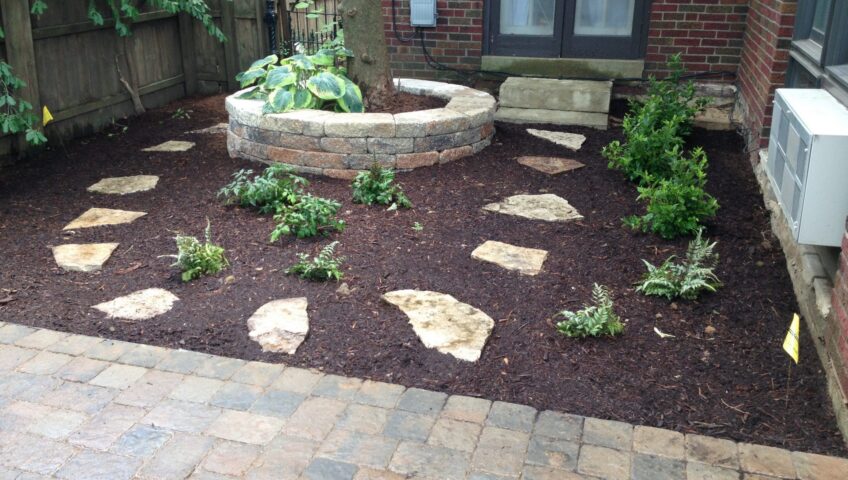
If your flower beds are looking a little thin this time of year, there’s a good chance mulch is the missing piece. It’s one of the simplest, most affordable ways to protect your landscape — especially during the hottest stretch of a St. Louis summer. However, a lot of homeowners aren’t sure which type to use or how often it needs attention. Here’s what you need to know.
Why Mulch Matters
Mulch isn’t just a finishing touch for your landscape beds. It’s doing real work underneath the surface:
● Locks in moisture. A good layer of mulch slows evaporation, which means your plants need less frequent watering, even during peak summer heat.
● Regulates soil temperature. Mulch insulates plant roots from extreme heat (and, later in the year, from cold), keeping the soil environment more stable.
● Suppresses weeds. A properly maintained mulch layer blocks sunlight from reaching weed seeds, cutting down significantly on the weeding you’ll need to do.
● Improves soil health over time. Organic mulches break down gradually, adding nutrients and improving soil structure as they decompose.
● Boosts curb appeal. Fresh mulch instantly cleans up the look of your beds and gives your whole landscape a more finished, cared-for appearance. Whether you want to boost curb appeal for your commercial landscape, or elevate your home’s front yard, Horstmann Brothers can do both.
Types of Mulch
Not all mulch is created equal. Here’s a quick rundown of the most common options:
Hardwood mulch — Durable and long-lasting, hardwood breaks down slower than lighter mulches, making it a solid choice for beds you don’t want to refresh too often. It also has a rich, natural color that holds up well.
Shredded bark mulch — A popular all-around choice. It knits together nicely on slopes (helping prevent erosion) and has a natural look that suits most landscapes.
Dyed mulch — Offers consistent, vibrant color (black, brown, or red) that can really make beds pop. Keep in mind though, that dyed mulch may fade faster in direct sun and typically needs refreshing more often for color’s sake, even if the material underneath is still doing its job. That’s where our garden care comes in. Mulching is just another day at the office for us.
Rubber mulch — Long-lasting and low-maintenance, but it doesn’t offer the soil-health benefits of organic mulch since it doesn’t break down. It is better suited for playgrounds or high-traffic areas, rather than garden beds.
How Often Should You Refresh It?
As a general rule, most landscape beds benefit from a fresh layer of mulch once or twice a year — typically in spring and, if needed, again in late summer or fall. A few things to watch for that signal it’s time for a refresh:
● The mulch has faded significantly or lost its color
● You can see more than an inch of bare soil peeking through
● The layer has compacted down to less than 2 inches deep
● Weeds are starting to push through more easily than before
When you do refresh, aim for a total depth of 2 to 3 inches. Piling it any deeper can actually suffocate plant roots and encourage pests, so more isn’t always better.
A Mid-Summer Mulch Check Is Worth It
Even if you mulched back in the spring, July and August heat can be tough on beds. Moisture evaporates faster, and thinner spots start to show. A quick mid-summer check to see if your mulch needs topping off can make a real difference in how well your landscape holds up through the rest of the season. Not sure if your beds need a refresh, or want it done right the first time? Contact Horstmann Brothers to schedule a mulch assessment and keep your landscape healthy through the rest of summer and beyond.